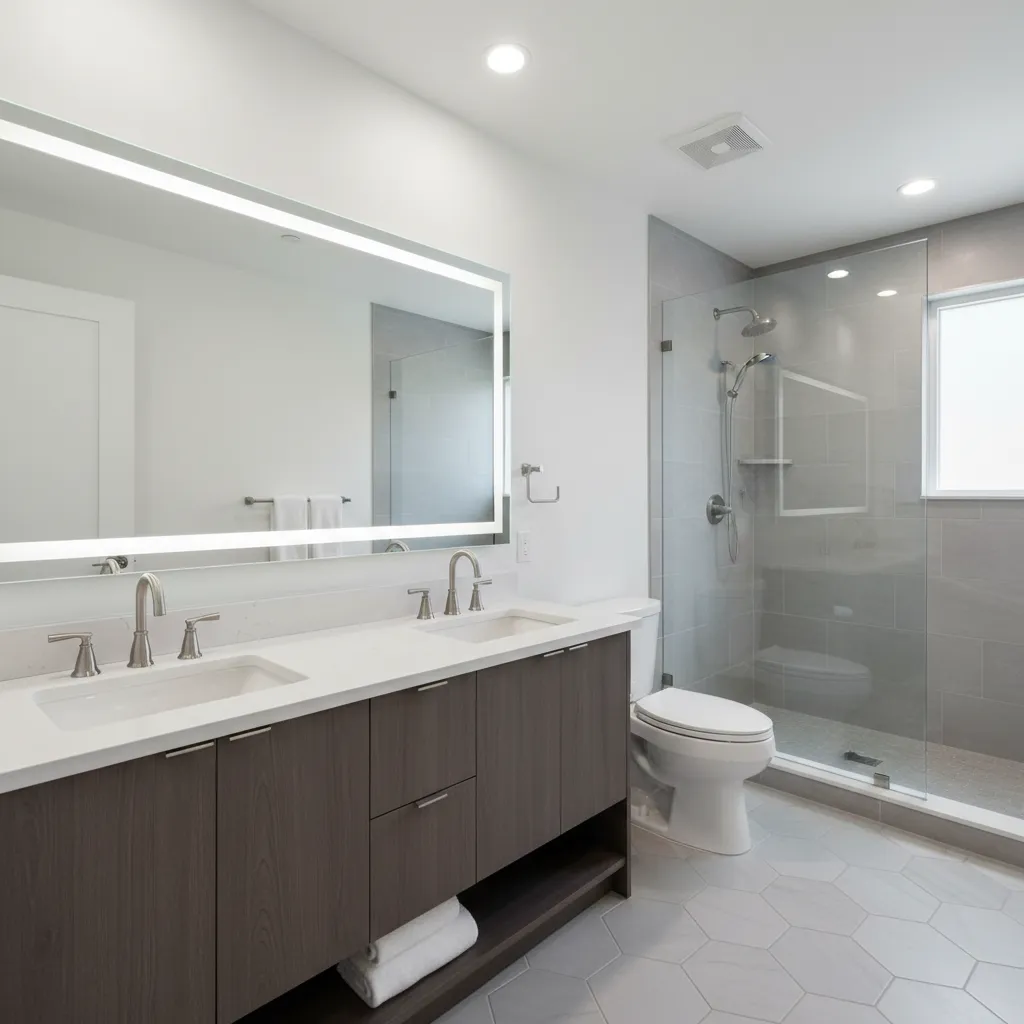
Understanding Property Condition Scores (C1-C6)
Complete guide to the C1-C6 property condition grading system used by realtors and appraisers in Canada.
Understanding Property Condition Scores (C1-C6)
When realtors, appraisers, and property valuators assess a home, they use a standardized grading system: C1 through C6. Understanding this scale helps you evaluate your own home fairly, negotiate better with buyers, and price correctly.
This is the system professionals use everywhere in Canada and the US.
The C1-C6 Grading Scale: What It Means
The industry-standard Uniform Appraisal Dataset uses a six-tier condition grading system widely adopted by appraisers across North America. Here's the complete breakdown:
C1: Excellent Condition
New or nearly new construction, or recently fully renovated
- Age: Brand new (less than 5 years) or fully renovated to new condition
- Walls & Ceilings: Perfect condition, new paint, no damage
- Flooring: New or excellently maintained (hardwood refinished, tile pristine)
- Roof: New (0-5 years)
- HVAC: New or recently replaced, all working perfectly
- Kitchen: Modern, updated appliances, new cabinets, high-end finishes
- Bathrooms: Modern fixtures, recently updated, excellent condition
- Windows & Doors: New or nearly new, excellent seals
- Structural: No visible issues, all systems working optimally
- Overall: Move-in ready, no repairs needed, premium finishes
Example: A newly built home or a home with a $100K+ professional renovation completed in the last 2-3 years.
C2: Very Good Condition
Well-maintained home with recent updates
- Age: 5-15 years old or well-maintained with recent major updates
- Walls & Ceilings: Clean, well-maintained, maybe minor touch-up needed
- Flooring: Well-maintained hardwood (may need light refinish), quality tile/laminate
- Roof: 10-15 years old, good condition, no active leaks
- HVAC: 10+ years but functioning well, recently serviced
- Kitchen: Updated within last 10 years, solid counters, working appliances
- Bathrooms: Updated fixtures, good condition, minor wear acceptable
- Windows & Doors: Functioning well, good seals, maybe one needing replacement
- Structural: No major issues, well-maintained systems
- Overall: Move-in ready, requires minimal cosmetic updates
Example: A 12-year-old home that's been well-cared-for with updated kitchen and bathrooms from 8 years ago.
C3: Good Condition
Adequately maintained, minor deferred maintenance
- Age: 15-30 years old, average maintenance
- Walls & Ceilings: Generally clean, minor scuffs/marks, may need touch-up
- Flooring: Worn but clean, some areas may need refinishing or replacement
- Roof: 15-25 years old, generally holding up, may need inspection
- HVAC: 15+ years, may need replacement soon, currently functional
- Kitchen: 20+ years old or minimally updated, functional, cosmetically tired
- Bathrooms: Original or lightly updated, dated fixtures, clean
- Windows & Doors: Some may be older, generally functioning
- Structural: No major issues, but some deferred maintenance evident
- Overall: Requires some updates/cosmetic work, but solid bones
Example: A 25-year-old home that's been maintained but hasn't had major renovations in a decade.
C4: Fair to Adequate Condition
Significant deferred maintenance, cosmetic issues
- Age: 25-40+ years old, noticeable wear and tear
- Walls & Ceilings: Visible wear, scuffs, may need painting throughout
- Flooring: Noticeable wear, stains, possibly uneven or damaged areas
- Roof: 25+ years, may have patches, could be nearing end of life
- HVAC: Very old, may not be working reliably, replacement likely needed soon
- Kitchen: Very dated, older appliances (may be non-functional), worn cabinets
- Bathrooms: Original fixtures, stained grout, dated style, may have moisture issues
- Windows & Doors: Older, may have draft issues, some seals compromised
- Structural: Likely some issues (minor cracks, settling), requires inspection
- Overall: Requires significant cosmetic work and likely some system updates
Example: A 35-year-old home with original kitchen and bathrooms, worn flooring, and aging roof.
C5: Poor Condition
Major deferred maintenance, significant functional issues
- Age: 40+ years, significant visible deterioration
- Walls & Ceilings: Major wear, cracks, water stains, peeling paint
- Flooring: Significant damage, stains, soft spots, may be unsafe
- Roof: Critical condition, likely leaking or near failure
- HVAC: Not working or barely functional, replacement urgent
- Kitchen: Non-functional or hazardous, outdated/broken appliances
- Bathrooms: Non-functional fixtures, significant water damage, mold concerns
- Windows & Doors: Many broken seals, drafts, possible security issues
- Structural: Visible structural damage, foundation issues, settling
- Overall: Requires major renovation, likely financial investment significant
Example: An older home that's been neglected, with failing roof, non-functioning systems, and safety concerns.
C6: Very Poor Condition
Major structural or system failure, potentially hazardous
- Major structural issues (foundation damage, settling, rotting framing)
- Roof actively leaking or failed
- HVAC/electrical/plumbing systems not functioning
- Significant water damage, mold, pest damage
- May require demolition or complete restoration
- Professional inspection and specialized contractors required
- Overall: Uninhabitable without major repair
Example: A home with foundation damage, major water infiltration, structural rot, and system failures.
How Condition Grades Affect Home Pricing
Condition grade directly impacts value. Two identical houses can sell for different prices based on condition.
Price Impact by Grade
Hypothetical Market Example:
Assume the market price per sq ft for a standard C3 property in an area is $250/sqft.
| Grade | Condition | Relative Price | Per-Sqft (Est.) |
|-------|-----------|---|---|
| C1 | Excellent | +15% to +25% | $288-313 |
| C2 | Very Good | +5% to +10% | $263-275 |
| C3 | Good | 0% (baseline) | $250 |
| C4 | Fair | -10% to -20% | $200-225 |
| C5 | Poor | -25% to -40% | $150-188 |
| C6 | Very Poor | -50%+ | Below $125 |
What this means: If a C3 home is worth $450,000, a C1 home of similar size/location might be worth $518,000-$563,000. A C4 home might be $360,000-$405,000.
How to Grade Your Own Home
Walk through your home systematically. Be honest about condition.
Checklist by Room
Kitchen
- [ ] Appliances: New (C1), 5-10 yrs (C2), 10+ yrs (C3), 20+ yrs (C4+)
- [ ] Cabinets: Custom/high-end (C1), Good quality (C2), Builder-grade (C3), Worn/dated (C4+)
- [ ] Countertops: Granite/quartz new (C1), Solid/laminate good (C2), Laminate worn (C3), Damaged (C4+)
- [ ] Flooring: New hardwood/tile (C1), Good condition (C2), Minor wear (C3), Major wear (C4+)
- [ ] Overall: Fresh, updated (C1-C2) or dated (C3-C4)?
Bathrooms
- [ ] Fixtures: Modern (C1), Updated (C2), Original/functional (C3), Worn/stained (C4+)
- [ ] Flooring: New tile/grout (C1), Clean (C2), Minor wear (C3), Damaged (C4+)
- [ ] Shower/Tub: New caulk/fixtures (C1), Good condition (C2), Worn/stained (C3), Non-functional (C4+)
Flooring Throughout
- [ ] Hardwood: Refinished recently (C1), Good condition (C2), Worn in high traffic (C3), Uneven/damaged (C4+)
- [ ] Carpet: New (C1), Good condition (C2), Worn/stained in places (C3), Heavy stains/damage (C4+)
Walls & Paint
- [ ] Paint: Fresh, clean (C1-C2), Touch-ups needed (C3), Peeling/marks (C4+)
- [ ] Damage: None (C1-C2), Minor marks (C3), Visible issues (C4+)
Roof & Exterior
- [ ] Roof: New (0-10 yrs) (C1), Good (10-20 yrs) (C2), Fair (20-25 yrs) (C3), Poor (25+ yrs) (C4+)
- [ ] Siding: Excellent (C1-C2), Minor wear (C3), Damage/deterioration (C4+)
HVAC & Systems
- [ ] Furnace/AC: New (C1), Recently replaced (C2), 15+ yrs (C3), Very old/failing (C4+)
- [ ] Water Heater: New (C1), 5-10 yrs (C2), 10-15 yrs (C3), 15+ yrs (C4+)
- [ ] Electrical: Updated panel (C1), Good condition (C2), Older but functional (C3), Concerns (C4+)
- [ ] Plumbing: New/updated (C1), Good condition (C2), Minor leaks (C3), Major issues (C4+)
Overall Home
- [ ] Move-in ready, no work needed? → C1 or C2
- [ ] Solid bones, some cosmetic updates needed? → C3
- [ ] Significant deferred maintenance, major updates needed? → C4
- [ ] Major repairs/safety concerns? → C5 or C6
Common Misconceptions About Condition Grading
Myth: "C4 means a bad house and I shouldn't buy it."
Truth: C4 homes are common and normal. They need updates but have solid bones. Many are great investments if priced accordingly.
Myth: "My home is C1 because I just painted it."
Truth: C1 requires updated systems, recent major renovations, and excellent condition overall. Fresh paint alone doesn't change the grade if the roof is 25 years old.
Myth: "If my home is C4, I can't sell it."
Truth: C4 homes sell constantly. They're priced lower to reflect their condition. Buyers expect to renovate.
Myth: "All homes in my neighborhood are the same condition grade."
Truth: Homes on the same street can vary significantly based on individual maintenance and renovation history.
Using Condition Grade in Your Selling Strategy
If You're C1 or C2
- Pricing: Premium pricing is justified
- Marketing: Highlight "move-in ready," "recently renovated," "no repairs needed"
- Staging: Minimal—let the quality speak for itself
- Timeline: Expect faster sale, more buyer interest
If You're C3
- Pricing: Market rate pricing
- Marketing: "Well-maintained," "solid bones," "ready for your personal touches"
- Staging: Standard staging, clean and bright
- Timeline: Standard timeline, moderate buyer interest
If You're C4
- Pricing: Below-market or at a discount reflecting needed work
- Marketing: Target investors or handy buyers. Be honest: "Renovation opportunity," "needs updating"
- Staging: Extreme cleanliness and minimal decor (let buyers imagine their updates)
- Timeline: Expect longer sale, fewer buyers, but right-price attracts investors
If You're C5 or C6
- Pricing: Deep discount to reflect major repair needs
- Marketing: Target investors/developers, be transparent about issues
- Selling: Consider selling "as-is" to avoid disclosure complexity
- Timeline: Much longer, much smaller buyer pool
Getting Professional Assessment
For an objective condition grade:
- Your realtor: Free market analysis, uses CMA methodology
- Licensed appraiser: $300-500, professional assessment
- Home inspector: $400-600, detailed inspection report
- AI photo analysis tool: Free to $50, instant condition assessment with photos
Final Takeaway
Understanding C1-C6 helps you:
- Honestly assess your home's condition (no rose-tinted glasses)
- Price correctly (not too high, not too low)
- Make renovation decisions (what will improve your grade?)
- Market effectively (honest presentation attracts right buyers)
- Negotiate with confidence (you know where you stand)
Your home's condition grade is the foundation of everything else—pricing, marketing, timeline expectations, and buyer perception.
Disclaimer: This guide explains the C1-C6 grading system for educational purposes. Actual condition grading should be done by qualified professionals (licensed appraisers, inspectors, or experienced realtors). Grade determinations can vary between assessors. For listing or transactional decisions, always get professional assessment from a licensed real estate professional or appraiser familiar with your property and market.
Back up your pricing recommendation with data.
Generate a professional, client-ready report in 3 minutes — AI photo analysis, comps, and condition assessment included.
Generate a Report